

Blog News
Health in Hair: How to Achieve and Maintain Truly Healthy Hair
At West Vibe Salon in Hell’s Kitchen, New York, we’ve seen every kind of hair story: from clients struggling with frizz and dullness to those dealing with scalp sensitivity caused by city water. The truth is simple: your hair’s health is a reflection of your overall well-being, your habits, and the care you choose to give it.
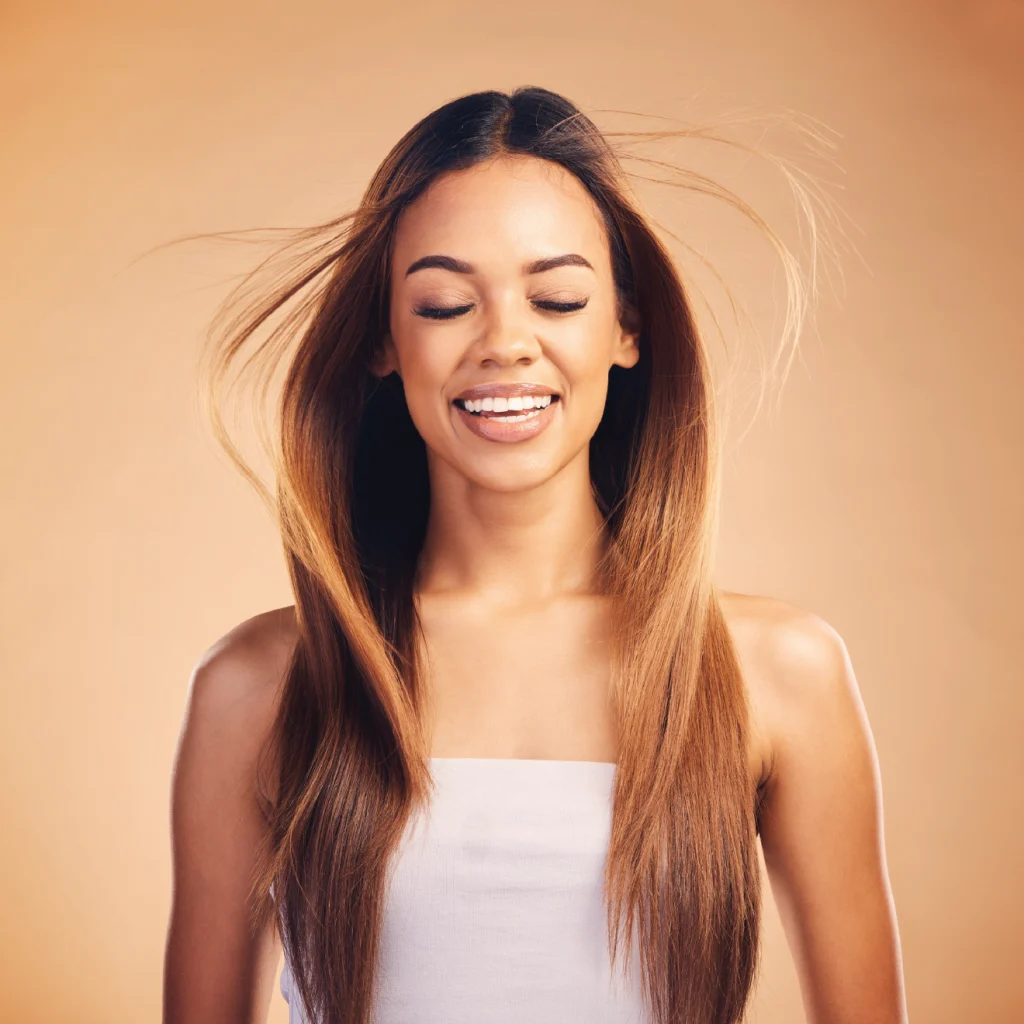
What can hair tell you about your health?
Your hair is more than just style — it’s a mirror of your internal health.
Nutritional deficiencies
Dull, brittle strands or excessive shedding can point to low iron, vitamin D, or protein intake. When your body lacks essential nutrients, hair is often the first to show it.
Stress, hormones, and hair loss We’ve helped many clients dealing with sudden shedding after stressful life events. Elevated cortisol, thyroid issues, or hormonal imbalances often reveal themselves through thinning hair or changes in texture.
Medical conditions reflected in your strands
Conditions like anemia, autoimmune disorders, or scalp fungal infections can first appear as unexplained breakage, bald patches, or persistent dandruff. At West Vibe, we always encourage clients to check with a doctor if sudden changes in hair health occur.
What is health hair?
We hear this question all the time in our salon — what does healthy hair really mean?
Visible signs of healthy hair
Shine, elasticity, and softness are the top indicators. Healthy hair reflects light, bounces back when stretched, and feels smooth from roots to ends.
Beautiful vs. truly healthy
There’s a difference between hair that looks good thanks to styling products and hair that is actually healthy. True health shows in consistent texture, minimal breakage, and resilience even after styling.
The internal + external factors
Diet, hydration, and stress management matter just as much as the shampoo or treatment you choose. That’s why at West Vibe we focus on both in-salon professional care and at-home daily habits.
Daily habits that strengthen your hair
Smart nutrition
Hair thrives on protein, iron, zinc, and omega-3 fatty acids. Adding leafy greens, salmon, nuts, and eggs to your diet supports growth and strength from the inside out.
The water factor
New York water is notoriously hard. Minerals like calcium and magnesium block moisture, leaving hair dry and prone to breakage. Installing a shower filter is one of the simplest yet most powerful changes you can make.
And don’t forget water temperature: lukewarm for cleansing, a cool rinse at the end for shine. Hot showers might feel relaxing but can strip natural oils, leading to dryness.
Gentle routines
Switch to silk pillowcases and scrunchies to reduce friction, wash less often to preserve natural oils, and always detangle gently with the right brush. These small details add up to long-term strength.
Professional treatments that make a difference
At West Vibe, we go beyond generic tips. Our Head Spa treatments start with a scalp analysis, followed by detox cleansing, massage, and light therapy — because strong hair begins with a healthy scalp.
Detox therapies
City pollution and water buildup coat strands in residue. Our anti-pollution treatments remove impurities so your hair can breathe, shine, and absorb nutrients again.
Nourishing elixirs
We use blends of rose, coconut, neem, and amla oils to deeply repair fibers, reduce frizz, and restore elasticity.
Advanced repair services
For color-treated or heavily damaged hair, our professional bonding and glossing treatments lock in strength and vibrancy while protecting from future damage.
Practical tips for long-term hair health
• Trim every 6–8 weeks to prevent split ends from traveling upward.
• Use heat tools wisely — always with a protectant and on the lowest effective setting.
• Protect your strands from sun, chlorine, and salt water with hats, oils, or leave-in conditioners.
• Don’t fall for myths like “washing daily is essential” — over-washing can actually harm your scalp balance.
FAQs about health in hair
1. Can my hair really show if I’m unhealthy?
Yes — sudden thinning, changes in texture, or excessive shedding can signal nutritional or hormonal imbalances.
2. Is shiny hair always healthy hair?
Not necessarily. Some products coat hair to make it look shiny, but true health means elasticity, strength, and minimal breakage.
3. What’s the best water temperature for washing hair?
Lukewarm is ideal. Finish with a cool rinse to seal the cuticle and boost shine.
4. How often should I get professional treatments?
Every 4–8 weeks depending on your lifestyle, hair type, and whether it’s color-treated.
✨ At West Vibe Salon in Hell’s Kitchen,
we believe healthy hair is confidence made visible.
With the right balance of professional treatments and mindful daily habits, your strands can be stronger, shinier, and full of life — every single day.
